English
Home > Products > Polyaluminium Chloride > 28% industry grade granular polyaluminum chloride (PAC)
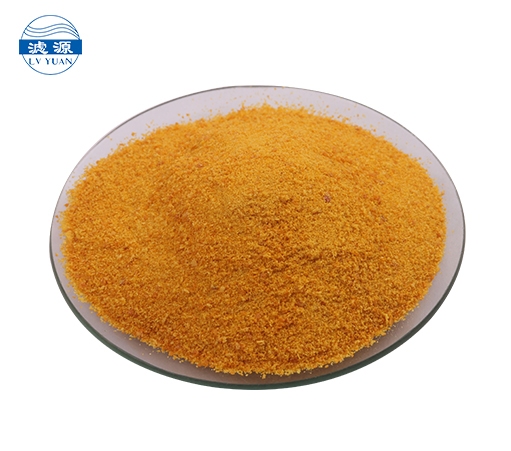
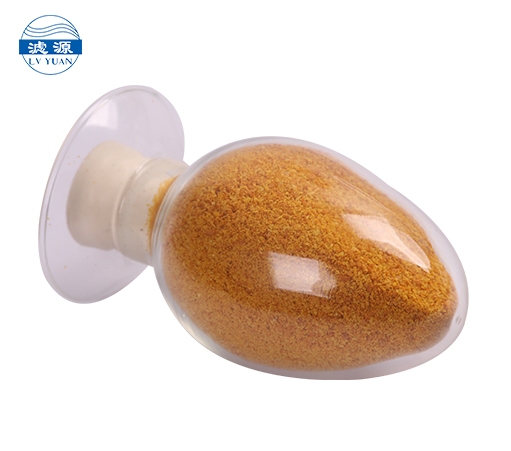
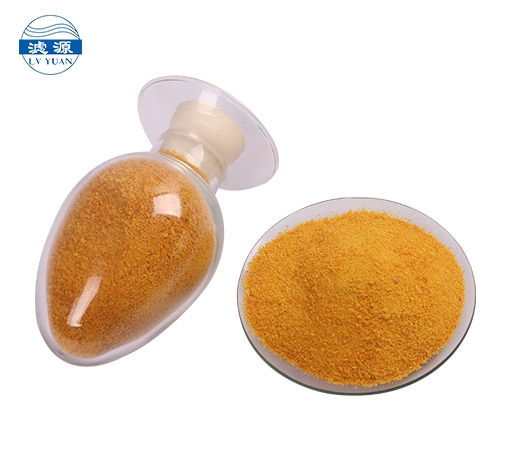
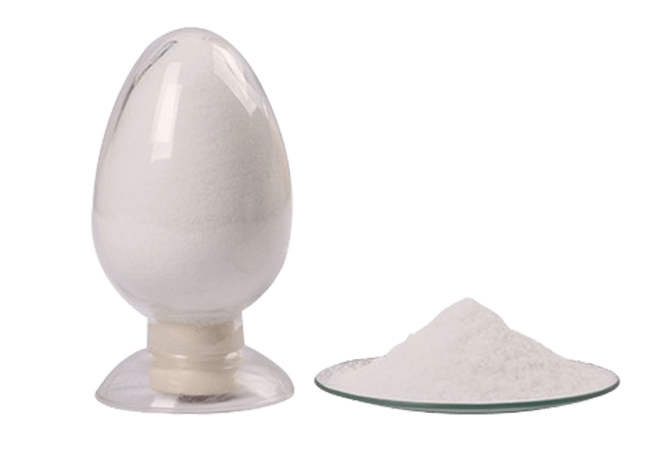
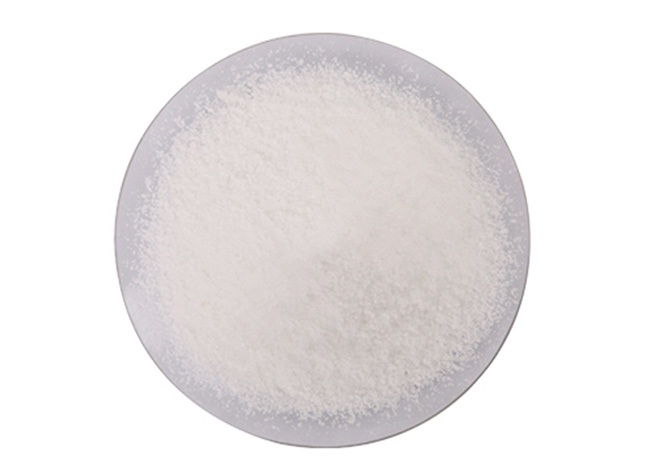
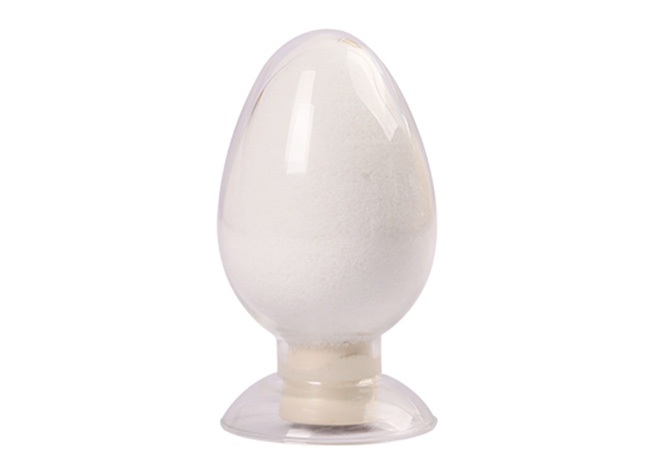
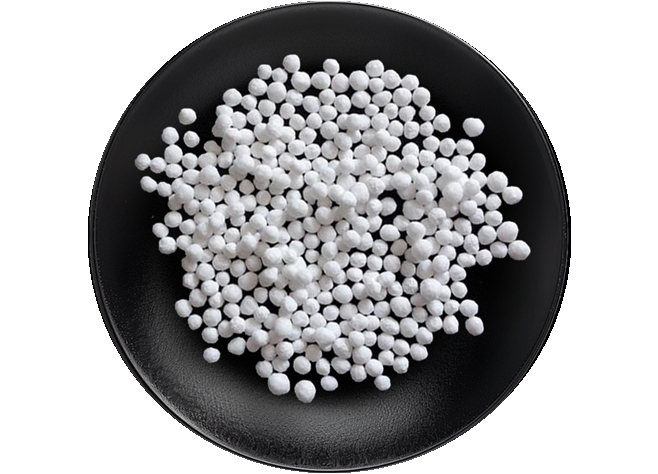
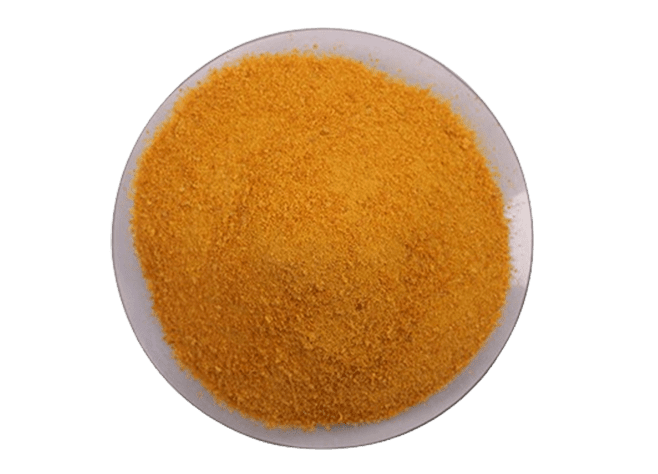
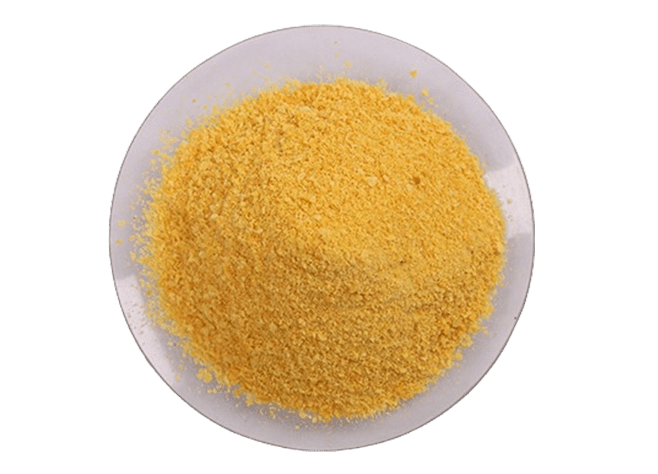
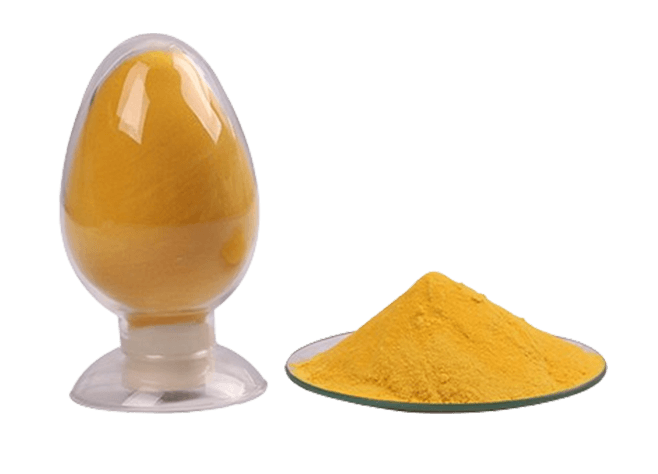
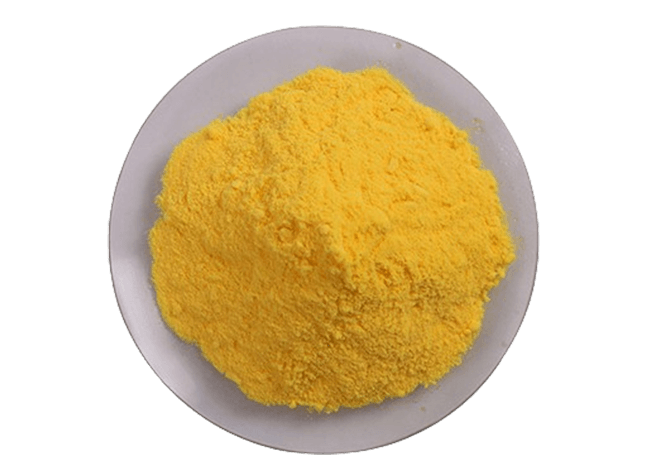
Granular polyaluminum chloride, high basicity, produced using a drum process, is convenient for rainy/tropical/subtropical countries and easy to store.
Suitable for wastewater treatment, papermaking, printing and dyeing, coal washing, and other industries, it features rapid flocculation, fast sedimentation, and clear effluent.
| Description | Parameters | Description | Parameters |
| CAS NO. | 1327-41-9 | Cadmium (Cd) content %≤ | 0.006 |
| Color | Yellow | Place of Origin | Henan, China |
| Grade | Industry Grade | Usage | Effective for industrial wastewater treatment and sludge dewatering. |
| Aluminum Oxide(AL2O3) content %≥ | 28% | Type | coagulant |
| Shape | Granule | Odor | Odorless |
| Basicity % | 30.0-95.0 | Corrosive: | Non-corrosive |
| Density (20℃) g/cm³ | - | EINECS No. | 215-477-2 |
| Water insoluble content %≤ | 1.5-8 | Brand Name | Lvyuan |
| PH (1% aqueous solution) %≤ | 3.5-5.0 | Product name | granule polyaluminum chloride |
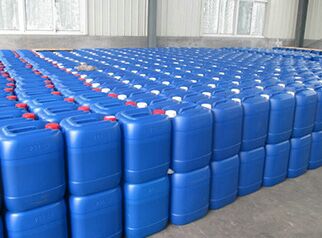
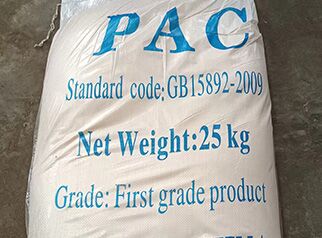
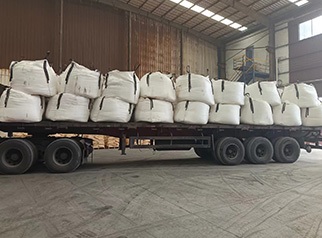
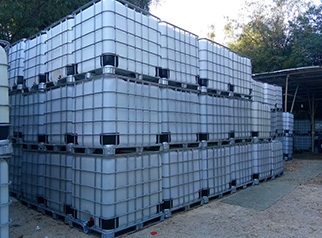
| Arsenic (As) content %≤ | 0.005 | Package | 25KGS/PVC with 2 inner layers |
| Lead(Pb) content %≤ | 0.002 | Effective storage life | 12 month |
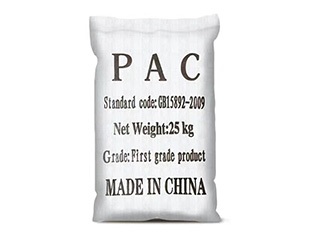
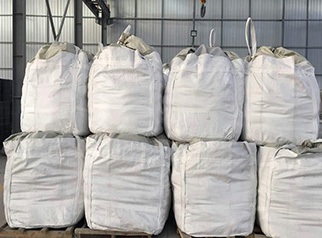
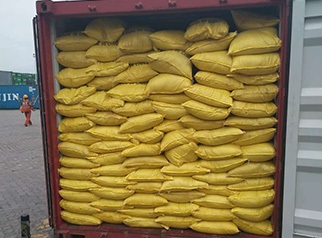
Industry grade poly aluminum chloride (PAC) is a versatile and highly efficient coagulant widely used across various industries for water treatment and other applications. Its ability to remove impurities, enhance solid-liquid separation, and improve water clarity makes it a preferred choice in several fields.
1. Industrial Wastewater Treatment
PAC is extensively applied in treating wastewater from industries such as textiles, printing, dyeing, and food processing. It effectively removes suspended solids, organic matter, and heavy metals, ensuring compliance with environmental discharge standards.
2. Mining and Metallurgy
In the mining sector, PAC plays a critical role in separating and recovering valuable minerals. It also treats wastewater generated during ore processing and metallurgy, ensuring the safe disposal of contaminants.
3. Paper and Pulp Industry
PAC enhances the efficiency of pulp clarification, improving paper quality and reducing chemical consumption during the manufacturing process.
4. Oil and Gas Sector
Used for treating oily wastewater and clarifying drilling mud, PAC contributes to efficient resource extraction while minimizing environmental impact.
5. Municipal Water Treatment
Though primarily industrial, some grades of PAC are suitable for municipal wastewater management, helping in sludge dewatering and clarifying water for reuse.

Dissolve the solid PAC in the proportion of 5:100 in clean water, and the proportion of the reagent is adjusted according to the small test effect, and then a large amount of use.
Store in a dry, well-ventilated place, away from moisture and direct sunlight. Use proper protective equipment to avoid skin and eye contact.
Q1: What are the main applications of Poly Aluminium Chloride (PAC) in water treatment?
A1: PAC is widely used in drinking water treatment, industrial wastewater treatment, municipal wastewater treatment, and paper-making processes due to its high coagulation efficiency and adaptability to different water qualities.
Q2: How does PAC compare to traditional coagulants like aluminum sulfate?
A2: PAC has a higher charge density, works effectively in a wider pH range, reduces sludge production, and has faster floc formation, making it more efficient than aluminum sulfate.
Q3:What is the recommended dosage of PAC in wastewater treatment?
A3: Before use, PAC needs to be mixed with solid and water in a ratio of 5:100 to form a medicine. Now 5-20ml is tested in a small range of water samples, and it will be released on a large scale after the effect is achieved.
Q4: How does PAC perform in low-temperature water?
A4: PAC remains effective in cold water, but coagulation time may be longer. Using a combination of PAC and a polymer coagulant (such as PAM) can improve performance.
Q5:What is the basicity of poly aluminium chloride?
A5: Basicity refers to one-third of the equivalent percentage of OH to Al in the polyaluminium chloride molecule, usually defined as one-third of the equivalent percentage of OH to Al in the polyaluminium chloride molecule (〔OH〕/〔Al〕×100(%)).Basicity mainly affects the flocculation effect, stability and applicability of PAC.

Please contact us for free quotation by form below. We promise the quickest response within 24 hours: