
English
Home > Application > Sand washing and coal washing
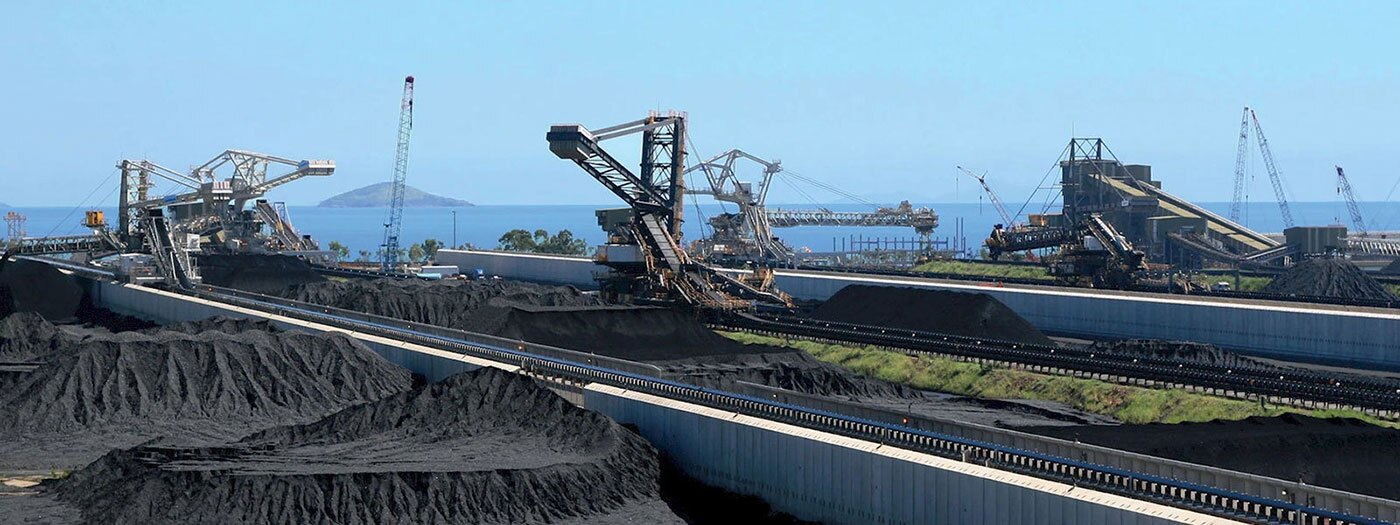
Coal washing wastewater is one of the most challenging types of industrial wastewater. It contains:
→ Fine coal powder and clay
→ High suspended solids (SS)
→ Residual flotation reagents and oil
→ High turbidity and dark color
When we first visited our clients’ sites in Vietnam and Indonesia, the water after coal washing was thick, black, and extremely difficult to settle. The key to treatment lies in efficient coagulation, rapid floc formation, and deep sedimentation.
→ Poor sedimentation — fine coal particles remain suspended
→ Thick, dark water that is hard to clarify
→ High chemical consumption due to fluctuating water quality
→ Unstable sludge that is difficult to dewater
→ Indonesia, coal washing wastewater contains high iron and fine clay, requiring stronger coagulants like PFS (Polyferric Sulfate).
→ Vietnam, the challenge is reagent residuals — we recommend polyaluminium chloride+ polyacrylamide to improve sludge compactness.
→ Russia, low temperatures slow down reactions; thus, low-temperature polyaluminium chloride performs better.
How to select PAM based on the factory?
| Step | Product | Function |
|---|---|---|
| Coagulation | Polyferric Sulfate (PFS) | Strong coagulation, removes fine coal powder |
| Flocculation | Polyacrylamide (PAM) | Forms dense flocs for quick sedimentation |
| Post-Treatment | Activated Carbon | Adsorbs organic residues and oil for clearer water |
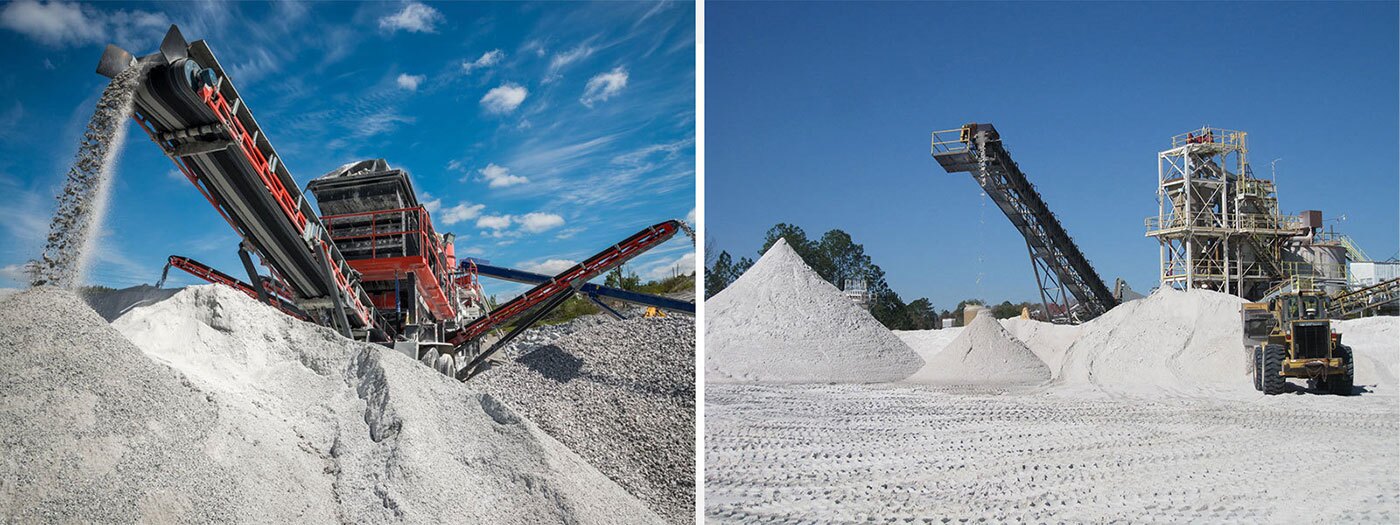
Sand washing wastewater mainly comes from natural sand and stone washing processes.
It typically contains:
→Fine quartz particles
→Clay, silt, and dust
→Small amounts of surfactants or organics
Although this wastewater seems simple, it’s often highly turbid and difficult to settle quickly.
→Slow sedimentation and cloudy recycled water
→Frequent equipment clogging due to mud build-up
→Inconsistent water quality from varying sand sources
→High operating costs from excessive chemical dosing
→Indonesia: Clay-heavy sand leads to higher turbidity — we recommend polyaluminium chloride+ anionic polyacrylamide.
→Vietnam: Fine silt requires a stronger flocculant and longer settling time.
→Singapore: Compact systems need chemicals with fast reaction rates.
→South Africa: Focus on recycling clarity and reduced maintenance frequency.
| Step | Product | Function |
|---|---|---|
| Coagulation | Polyaluminium Chloride (PAC) | Reduces turbidity, helps fast particle aggregation |
| Flocculation | Polyacrylamide (PAM) | Builds strong flocs, accelerates sedimentation |
| Polishing | Activated Carbon | Removes odor and fine organic impurities |
Watch our demo video: “How PAC + PAM Clarify Muddy Water in Seconds”
Q1: What’s the difference between sand washing and coal washing wastewater treatment?
Sand washing wastewater focuses on turbidity and solid removal; coal washing wastewater requires stronger coagulation and oil/chemical removal.
Q2: Which coagulant works best for coal washing water?
We recommend PFS due to its strong coagulation ability and color removal efficiency.
Q3: Can PAC and PFS be used together?
Yes, combining PAC and PFS enhances fine particle and color removal — often used in coal plants.
Q4: What’s the best PAM type for sand and coal washing wastewater?
For sand washing: Anionic PAM (10–15 million MW).
For coal washing: Nonionic or low-charge PAM for stable sludge formation.
Q5: How can I optimize chemical dosage?
Start with jar tests, adjust PAC/PFS dosage gradually, and ensure PAM is fully dissolved before use.
At Gongyi Filter Material Industry Co., Ltd., we’ve been manufacturing and exporting water treatment materials since 1997 — including PAC, PAM, PFS, Activated Carbon, and more.
Whether it’s coal washing wastewater with heavy pollutants or sand washing water with high turbidity, we provide customized, efficient, and cost-effective chemical solutions that meet discharge and reuse standards worldwide.

Please contact us for free quotation by form below. We promise the quickest response within 24 hours: